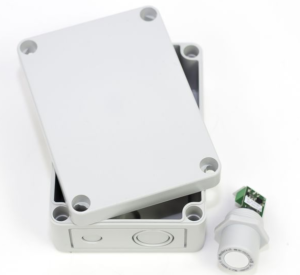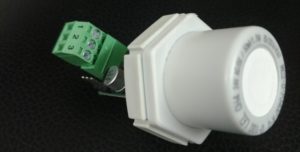
Hydrocarbon Sensor, Transmitter, Detector, Analyzer

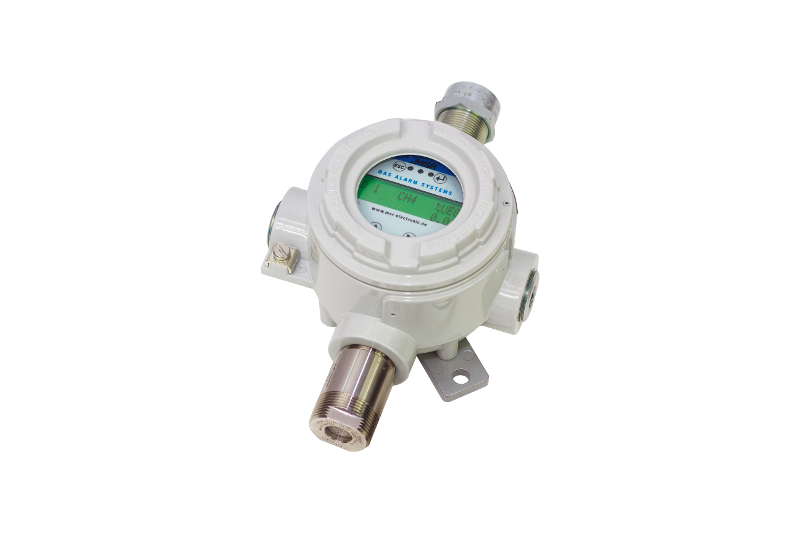
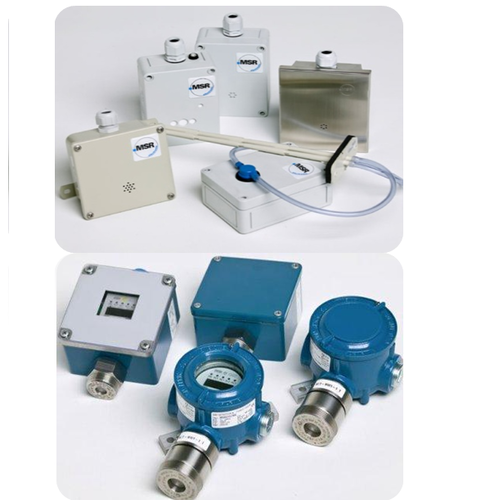
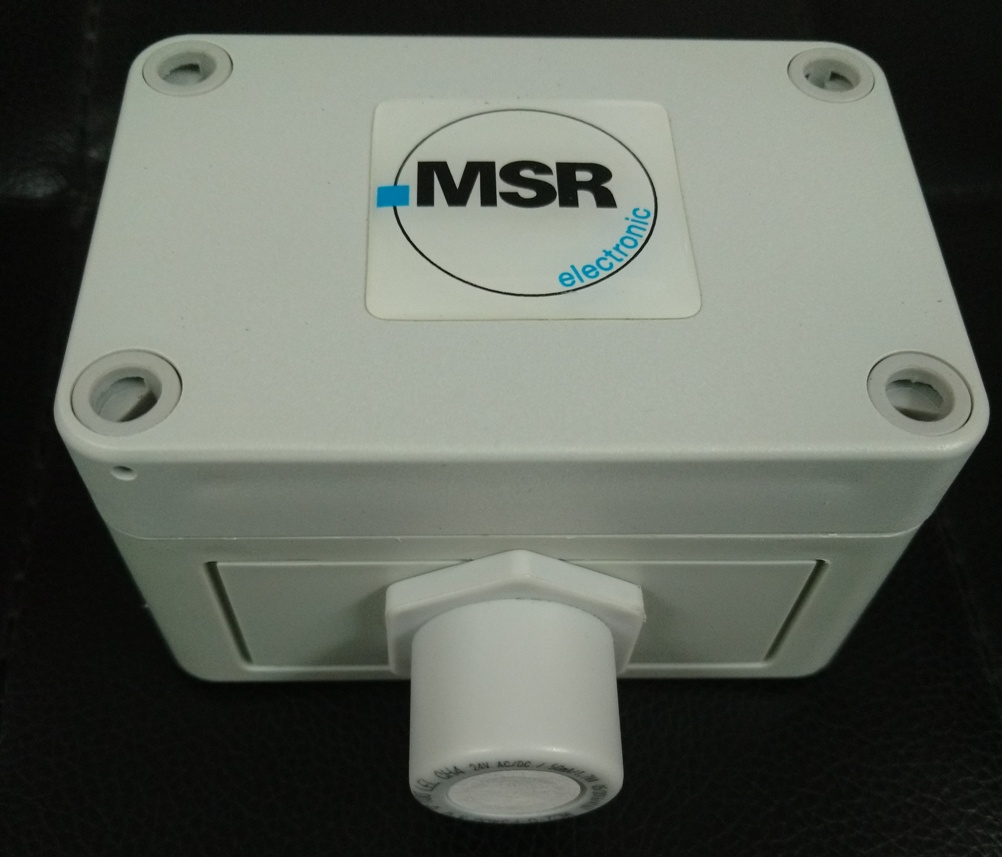
Gas Alarm India offer Hydrocarbon sensor transmitter / detector/ analyser from MSR Electronic, Germany with following features:

  • Measuring range: 0-100% LEL (lower explosive limit), 0-100% Vol (analysis)
  • Technology: Pellistor / catalytic bead (flammability monitoring), Infra-red
  • Output: 4-20mA, 0-10V, RS485 modbus, Lon, BacNET
  • Enclosure: IP44, IP54, IP65
  • Certificate: UL 61010, UL 2075, ATEX EExd, ATEX EExn, CE
  • Mounting: wall mountable, duct mountable
  • Installation area: safe area, hazardous area, explosion-proof

Application / Industry areas: gas bank, bottling plant, booster station, gas store, pharmaceutical, cylinder store, gems processing, heat processing, furnace, engine room, testing rooms, automobile, defense, warship, annealing plant, chemical plants, oil & gas, fire safety, domestic gas pipeline, kitchen, refinery, food processing, cement, bearing, machine industry, swimming pool, combustion area, bakery, commercial, hotels, mines, confined space, gasifer, stockyard, oil wells, biogas plant, landfill, boiler plant, thermal power plants etc

Features:

  • Reverse polarity protected
  • Poisoning protected
  • Low flashing temperature for longer sensor
  • Modular architecture
  • Manual calibration
  • Expected life > 3 years, > 15 years
  • Low response time
  • Sleep protection

Continue reading “Hydrocarbon Sensor, Transmitter, Detector, Analyzer”

Gas Detection in Wastewater Treatment

Wastewater treatment plants are designed to treat all municipal waste. The process of water purification results in the by-product of harmful combustible and toxic gases. Toxic gases used on site can build up in confined spaces or working environments, depleting Oxygen and making those locations highly dangerous. To ensure the safety of both personnel working at wastewater treatment plants and the environment in which treated wastewater is discharged, gas detection in wastewater treatment is an essential part of any safety program.

The process of wastewater treatment involves various stages:

  • pumping stations, where water is stored and pumped into the treatment facilities
  • Primary treatment
  • Secondary treatment
  • Water disinfection

Each treatment stage the wastewater goes through – involves hazardous gases that may be already present, are produced or are added to complete the process .The gas hazards vary considerably depending on the application, location and treatment process.To ensure the safety of the workers, equipment and the facility, every area presenting a gas hazard should be monitored, including the gas storage rooms, ozone generator room and any room that gas passes through.

Hazardous gases found in wastewater treatment facilities include:

Combustible Gases:

  • Methane (CH4 )
  • Pentane (C5 H12)
  • Hydrogen (H2 )
  • Oxygen (O2 ) Deficiency

Toxic Gases:

  • Hydrogen Sulphide (H2 S)
  • Carbon Monoxide (CO)
  • Chlorine (Cl2 )
  • Sulphur Dioxide (SO2 )
  • Ozone (O3 )
  • Mercaptans
  • Hydrogen Peroxide (H2 O2 )
  • Ammonia (NH3 )

Continue reading “Gas Detection in Wastewater Treatment”

MEASUREMENT TECHNOLOGY FOR NUCLEAR TECHNICAL APPLICATIONS

In the course of the cooperative partnership with German plant manufacturers and operators FISCHER Mess- und Regeltechnik
GmbH has developed special measuring converters complying with the high and sensitive requirements in this area. Monitoring
filter functions, flow rates and filling levels is paramount. Moreover, measuring devices for non-safety-relevant applications are available.

FISCHER Mess- und Regeltechnik GmbH is certified as a supplier for nuclear technical power plants according to KTA (Nuclear Safety Standards Commission) rules and standards 1401 in Germany. For safety-critical applications in the field of annular spaces FISCHER Messund Regeltechnik GmbH provides measuring
converters without microprocessor technology.


Continue reading “MEASUREMENT TECHNOLOGY FOR NUCLEAR TECHNICAL APPLICATIONS”

All You Need to Know About HC (Methane-CH4) Detector

What Is Methane Gas?

  • Methane is a colourless, tasteless, odourless gas and has the chemical formula CH4 – methane is the main component of natural gas. It is made up of one atom of carbon and four atoms of hydrogen.
  • Methane is produced naturally by the process of methanogenesis and is found under the ground and in seabed locations – it is commonly used in chemical industries and also for electricity generation.
  • Methane is non-toxic but highly explosive
  • Production of Methane gas occurs naturally in many industries including waste disposal, mining, oil and gas, petrochemical and the energy sector.

Where is Methane Gas Used?

  • Methane gas is commonly used in chemical industries and is used to refine petrochemicals. It is also used as a fuel and is burned in gas turbines or steam generators to produce electricity.
  • Methane is widely used domestically for heating and cooking in homes
  • Methane is the main component of Liquefied Natural Gas (LNG) and Compressed Natural Gas (CNG). Methane is generated by the decomposition of biodegradable solid waste as well as animal and human waste. It is therefore commonly present in landfill sites and sewage treatment works.
  • As Methane is an incredibly potent, hazardous greenhouse gas it is important to not only manage storage and production but also re-use and recycle the gas. Methane emissions represent a profitable solution to global climate change.
  • The most common anthropogenic sources of methane gas are agriculture, mining, landfills and natural gas oil activities.

Why Is Methane Gas Dangerous? 

  • Methane is not generally considered a toxic gas however, it is extremely flammable even in low concentrations when mixed with other chemicals – it is also an asphyxiant as it will displace oxygen. This is particularly dangerous in confined spaces working.
  • In order to create a fire/explosion, you need three things:
    • Oxygen
    • An ignition source and
    • A fuel
  • Take away the oxygen and you remove the risk of explosion – in contrast, high levels of oxygen will cause fuels to burn faster and more vigorously. For an explosive atmosphere to exist, a certain ratio of oxygen and fuel must exist. The ratio differs depending on the fuel.

In the gas detection industry, such ratios are known as lower explosion limits (LEL) and upper explosion limits. (UEL) in %Vol

%Vol limit

Methane Gas: LEL & UEL

  • LEL (Lower Explosive Limit) is defined as “the minimum concentration of a particular combustible gas necessary to support its combustion in air.” Concentrations below this level will not burn. The UEL (Upper Explosive Limit) is defined as “the highest concentration (percentage) of a gas or a vapor in air capable of producing a flash of fire in presence of an ignition source.”
  • The range between LEL and UEL is referred to as the flammable range and as the name suggests is when fire/explosions will occur.
  • As can be seen from the table, the LEL for methane(HC) is 5% Vol and UEL is 15% Vol. Concentrations of 9% Vol are thought to be the most volatile. It may sound strange but concentrations above 15% Vol will not be explosive as the air is too saturated with methane. However, this is when asphyxiation can be just as hazardous.
  • Our MSR sensor is calibrated on LEL scale i.e. 0-5% Vol = 0- 100% LEL therefore we prefer to set a alarm level or actuate exhaust fan at 25% LEL, which = 1.25% Vol (HC)CH4
  • Asphyxiation becomes a risk when there are high concentrations of methane. This is because the methane displaces the oxygen. We need approximately 18% Vol oxygen to breath, levels below 16% Vol can be dangerous and levels below 10% Vol can cause immediate loss of consciousness and inevitably death. Working in confined spaces can be extremely dangerous if exposure to methane (or any other gas for that matter) is considered a risk.

Sensor Technology Used

  • There are two technologies used to manufacture Methane Sensors, Catalytic Bead and Infrared sensor technologies.
  • Catalytic Bead Sensors, infrared sensors, and are prone to being poisoned by silicone, lead, sulfur and halogenated compounds. They also require frequent calibration and although less costly than an Infrared sensor, require replacement on a more frequent basis. Because they are lower in cost, some end users still prefer to use Catalytic Bead Sensors as a Methane Sensor, especially where there could be other combustible solvent vapors present that the Catalytic Bead Sensor will detect, while an Infrared sensor would not.
  • As a Methane Sensor, Infrared sensor technology has now become the dominant Methane Gas Sensor in a fixed gas detection system for combustible detection of hazardous levels of methane in air. Because an Infrared Methane Sensor does not require oxygen to operate, Infrared Methane Sensors can also be used in a 0-100% by LEL methane or other hydrocarbon gas process gas environment, such as in natural gas pipelines, utility applications and bio gas applications.
  • A Catalytic Bead Methane Sensor works as a simple Wheatstone bridge circuit, where an active and reference filament wound from platinum wire with a palladium based catalyst changes the proportional resistance between the active and reference bead of the methane sensor in proportion to the amount of methane detected in a background of air.
  • Infrared Gas Detection instruments that use infrared methane sensors often use two wavelengths of infrared energy, with one active wavelength used for gas absorption, and the other as a reference wavelength to compensate the output signal of the Infrared Detection system for the effects of temperature and humidity.

Click here for more details or contact us


Phosphine (pH3) Gas Sensor, Transmitter for Food Processing /Pharmaceutical Industries.

Gas Alarm India in association with Gas Alarm Systems – Australia offer Phosphine (PH3) sensor transmitter / detector/ analyser from MSR Electronic, Germany with following features:

  • Measuring range: 0-5 ppm
  • Technology: Electrochemical (analysis, toxic monitoring)
  • Output: 4-20mA, 0-10V, RS485 modbus, Lon, BacNET
  • Enclosure: IP44, IP54, IP65
  • Certificate: UL 61010, UL 2075, ATEX EExd, ATEX EExn, CE
  • Mounting: wall mountable, duct mountable
  • Installation area: safe area, hazardous area, explosion-proof

Application areas: oxidisation, hospitals, oil & gas, landfill, chemical, refrigerant, paint, process, fertilizer, glass, semiconductor, pharmaceutical, chillar plant, cylinder store, furnace, steel, engine room, testing rooms, automobile, thermal power plant, defence, warship, cooling rooms, annealing plant, formulation plant, food processing, cracking unit, refinery, storage plants, clean room, oxygen depletion, grain storage, fumigation,

Key features:

  • Reverse polarity protected
  • Gel based eletrolyte
  • Poisoning protected
  • Capable of mounting in any direction, with no effect on performance, output and life of these sensors (no orientation problems)
  • Modular architecture
  • Manual calibration
  • Expected life > 3 years
  • Low response time
  • Sleep protection
  • Microprocessor based value processing with temperature, moisture, dust, vibration compensation
  • High amplitude, low frequency and low amplitude, high frequency compensation
  • with industrial designed hydrophobic filter
  • Capable for field calibration with zero and span/gain trimpots and have low calibration and maintenance cost
  • Have IMMUNITY TO RF/FM INTERFERENCE as per the guidelines of EMC- Directive 2004/ 108/ EEC

Continue reading “Phosphine (pH3) Gas Sensor, Transmitter for Food Processing /Pharmaceutical Industries.”

LPG Gas Detector for Commercial And Industrial Application with SIL2(Safety Integrity Level) Certification

ALVI Automation India Pvt Ltd/GasAlarm (www.alviautomation.com) a Div of ALVI Tecnologies Pty Ltd(www.alvi.com.au) also trading as GasAlarm Systems(www.gasalarm.com.au) presents New cutting edge Technology , MSR MC2 LPG Sensor Transmitter with SIL2 certified

Description :

  • The sensor unit MC2 houses a module with μController, analog output and power supply in addition to the Catalytic Pellistor sensor element including amplifier.
  • The μController calculates a linear 4 – 20 mA (or 2 – 10 V) signal out of the measurement signal and also stores all relevant measured values and data of the sensor element.
  • Calibration is done either by simply replacing the sensor unit or by using the comfortable, integrated calibration routine directly at the system.

APPLICATION :

The μGard®2 Sensor MC2 is used for the detection of toxic gases or for oxygen monitoring wherever a typical 4 – 20 mA (or 2 – 10 V) signal is required.

FEATURES :

  • Digital measurement value processing incl. temperature compensation
  • Internal function control with integrated hardware watchdog
  • Data / measured values in μC of the sensor unit, therefore simple exchange uncalibrated <> calibrated
  •  High accuracy, selectivity and reliability
  •  Low zero point drift
  •  Long sensor life time
  •  Hardware & software according to SIL2 compliant development process
  •  Easy maintenance and calibration by exchange of the sensor unit or by comfortable on-site calibratio
  •  4 – 20 mA (or 2 – 10 V) analog output with selectable signal output for special mode, fault etc.
  • Reverse polarity protected, overload and short-circuit proof
  •  Housing for integration of the sensor unit
  •  IP 65 version
  • The sensor transmitter is housed in a Rugged enclosure (A housing or D housing) which can withstand Dust, Water splash, vibration knocks. It can withstand Harshest outdoor installation requirement including Mining, Defense and Marins applications.
  • Conformity to

o EN 50271
o EN 61010-1
o ANSI/UL 61010 1
o CAN/CSA-C22.2 No. 61010-1
o EN 50104 (for O2)

ADT MC2 sensor

MC2

MC2 IP54MC2-D-P3480-A-0

Click here to access more details or contact us


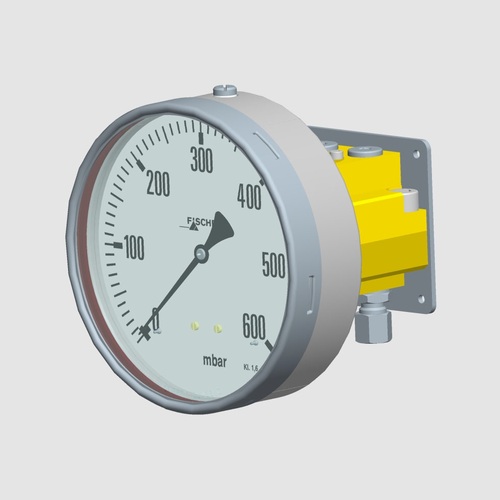
Differential pressure gauge for Gaseous and Liquid media : DA30

Gas Alarm – India  offer Fischer Germany Differential pressure gauge DA30. DA30 measures and indicates pressure and differential pressure. It is suitable to work with gaseous and liquid media not affecting the materials used. Electrical and electronic accessory components (KE) enable limiting of signal and transmitting of measurement.

Principles of Operation: The DA30 is based on a rugged and uncomplicated diaphragm movement, suitable for pressure and differential pressure measurements.

Fields of Application:

  • Water treatment
  • Level measurement
  • Filter technics
  • Flow measurement

Features:

  • Measuring system in rugged design
  • Overpressure proof up to nominal pressure
  • Slow-action and magnetic snap-action contacts
  • Inductive contacts (NAMUR)
  • Azimuth transmitter

Continue reading “Differential pressure gauge for Gaseous and Liquid media : DA30”

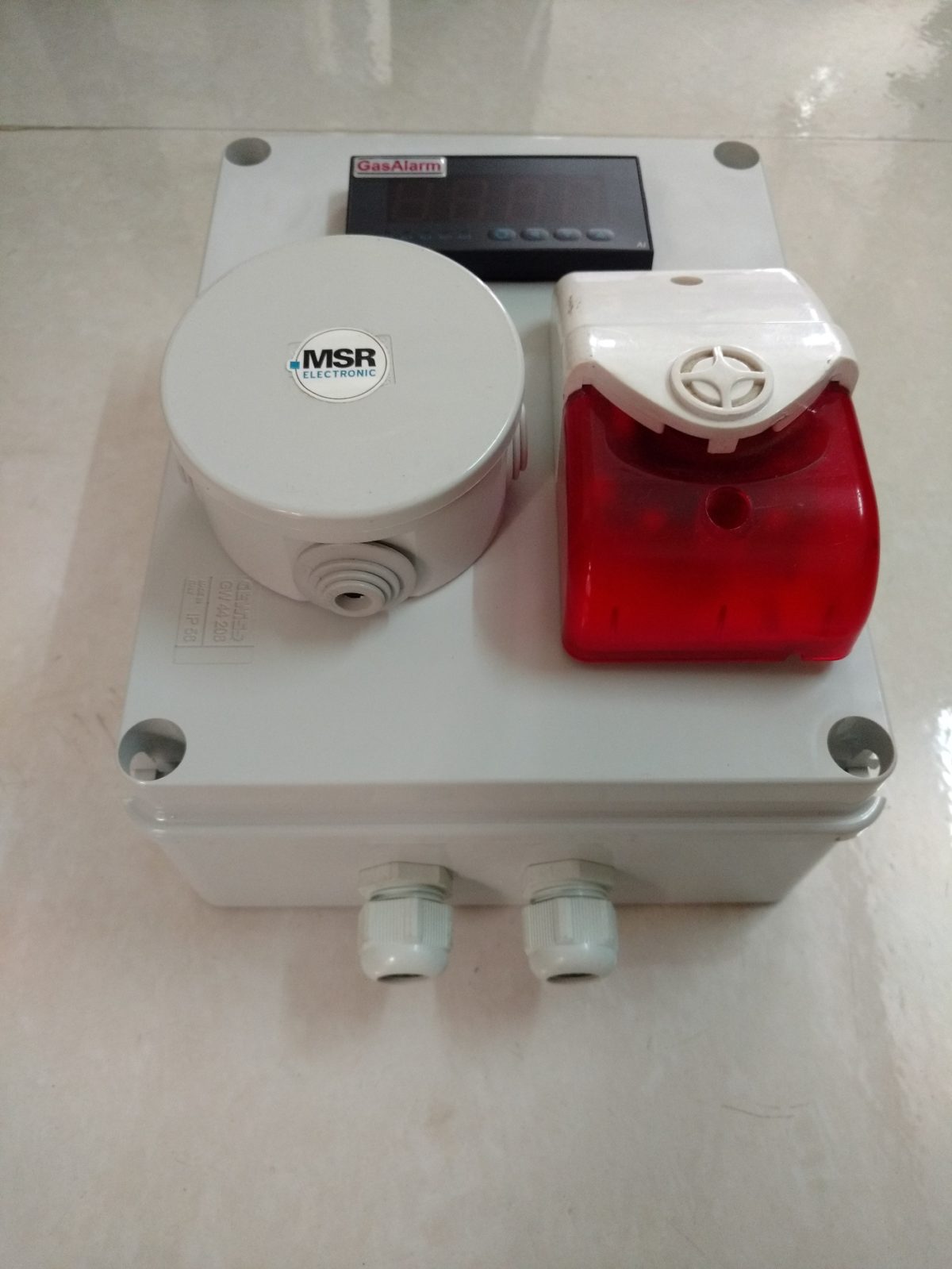
Cost Efficient Standalone Toxic/Combustible Gas Monitoring and Control System

ALVI Automation/GasAlarm-India in association with ALVI Tehnologies Pty Ltd also trading as GasAlarm Systems presents the all new Cost Efficient Standalone Toxic/Combustible Gas Monitoring and control system, designed and engineered by ALVI

Features:

  • Simple mechanism for Gas detection
  • Unmatched precision and accuracy
  • Longer functional life

Technical Features of MSR Germany Sensor

  • 4 – 20 mA (or 2 – 10 V) analog output with selectable signal output for special mode, fault etc.
  • IP 54 Polycarbonate enclosure with features :
  1. Rough rugged impact resistant polycarbonate protection
  2. Glass fibre reinforced
  3. Ultra violet protection
  4. Knocks and vibration proof
  • Hardware & software according to SIL2(Safety Integrity Level) compliant development process
  • Digital measurement value processing incl. temperature compensation
  • Internal function control with integrated hardware watchdog
  • Data / measured values in μC of the sensor unit, therefore simple exchange uncalibrated <> calibrated
  • High accuracy, selectivity and reliability
  • Low zero point drift
  • Long sensor life time
  • Easy maintenance and calibration by exchange of the sensor unit or by comfortable on-site calibration
  • Reverse polarity protected, overload and short-circuit proof
  • Housing for integration of the sensor unit
  • IP 54 version also available in IP 65 version

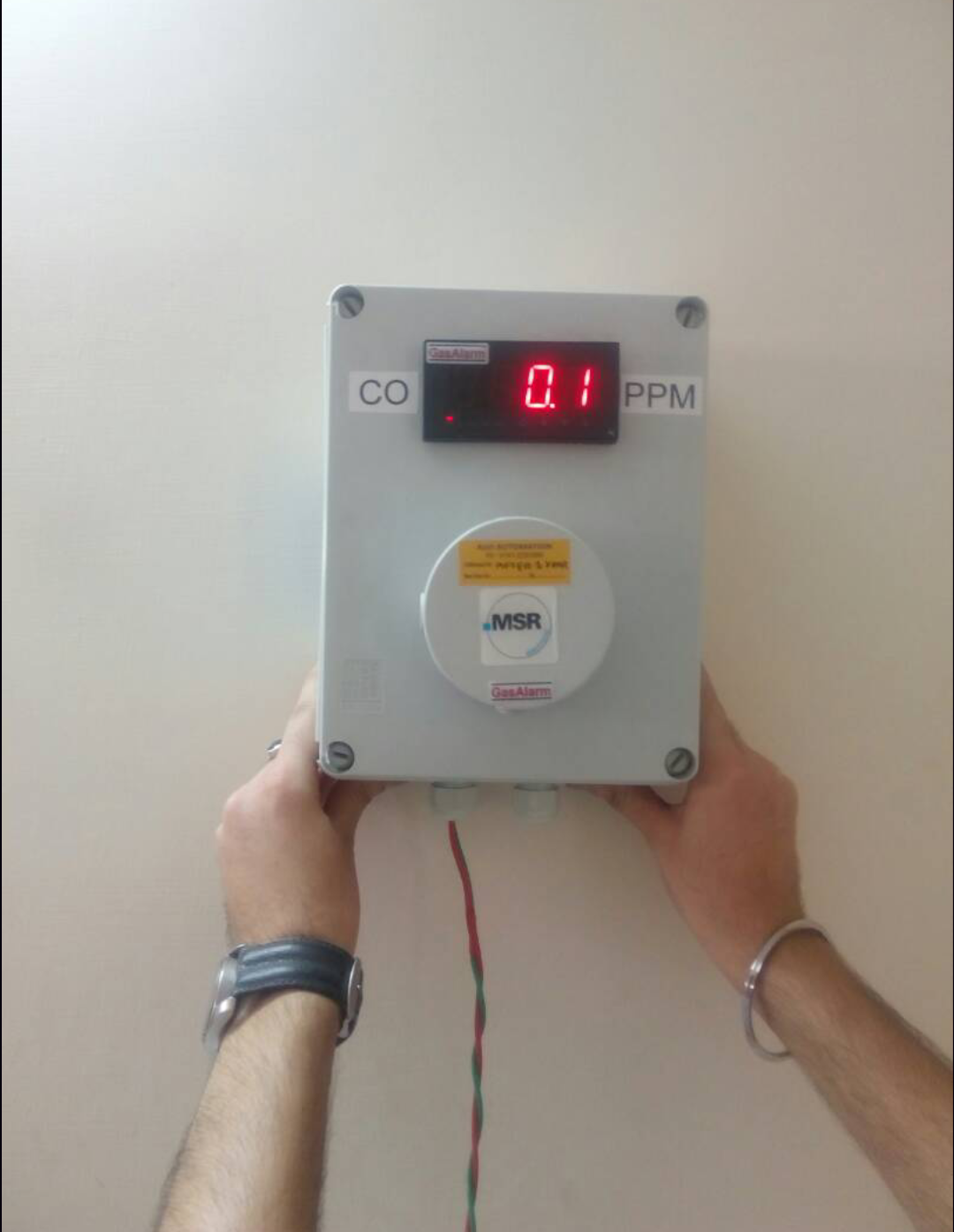
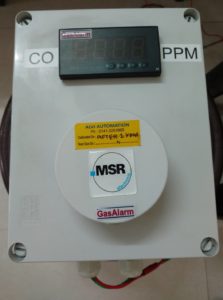
Technical Features of Stand Alone Display ad Monitoring Panel with  Builtin MSR Detector

  • 1x 4 digit 7 segment display or Touch Screen HMI 7” display to show MSR gas sensor reading and to set alarm output limit.
  • 1x Channel sensor analog inputs (4-20 mA or 2-10V from Sensor) (Customizable)
  • 2x Relays output  (Potential free relay contacts 230VAC, 1A) (Customizable) 
  • Inbuilt SMPS 24VDC
  • Operating Voltage : 230 VAC
  • Housed in plastic enclosure (also available in metal panel on request)
  • Keypad for setting
  • Rising / Falling alarm facility
  • User friendly
  • Fully pre-programmed as per customer requirement and ready to install

IMG_20170520_180220044


For more details please contact us

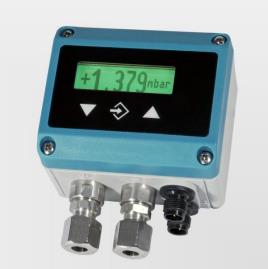
Digital differential pressure transmitter with 4-digit colour change LCD – DE39

ALVI – India in association with ALVI – Australia takes pride to offer Display and switching device for Differential pressure of gaseous and fluid media.
Typical applications
• Differential pressure measurements in heavily soiled media
• Filter monitoring
• simple pump control systems
• Pump, compressor monitoring
Design and mode of operation
The device is based on an electronic evaluation circuit that analyses the measuring signals P+ and P- of two integrated ceramic pressure transmitters. The signals are digitalised and sent to the analysis unit for further processing. Both signals can be shown separately.
The main feature is the calculation of the differential pressure. The analysis allows two independent switch points to be set and makes two programmable output signals available. The first output signal (channel 1) is proportional to the differential pres-sure and can be influenced by means of rooting or a table. The second output signal (channel 2) is proportional to the pressure and can be assigned optionally to the signal P+ or P-.
The nominal pressures of the integrated sensors and the differential pressure measuring range are set permanently ex-works and stated on the  type plate.

Continue reading “Digital differential pressure transmitter with 4-digit colour change LCD – DE39”

Car Park Ventilation & Fan Control System

Gas Alarm India in association with Gas Alarm systems Australia takes pride to offer     carbon monoxide (CO) sensor transmitter / detector/ analyser from MSR Electronic- Germany with complete PLC Display Control  and Fan monitoring Systems.

Application areas: Car park ventilation, combustion, furnace ventilation, producer gas leakage monitoring, coal gas monitoring, coal area, thermal power plants, blast furnace, kitchen etc.
System Features: 
• Measuring range: 0-300ppm / 0-1000ppm
• Sensor Technology: Electrochemical (analysis, toxic monitoring)
• Output: 4-20mA, 0-10V, RS485 modbus, Lon, BacNET
• Enclosure: IP65, IP44, IP54
• Certificate: UL 61010, UL 2075, ATEX EExd, ATEX EExn, CE
• Mounting: wall mountable, duct mountable
• Installation area: safe area, hazardous area, explosion-proof
• Reverse polarity protected
• Gel based eletrolyte
• Poisoning protected
• Capable of mounting in any direction, with no effect on performance, output and life of these sensors (no orientation problems)
• Modular architecture
• Manual calibration
• Expected life > 3 years
• Low response time
• Sleep protection
• Microprocessor based value processing with temperature, moisture, dust, vibration compensation
• High amplitude, low frequency and low amplitude, high frequency compensation
• with industrial designed hydrophobic filter
• Capable for field calibration with zero and span/gain trimpots and have low calibration and maintenance cost
• Have IMMUNITY TO RF/FM INTERFERENCE as per the guidelines of EMC- Directive 2004/ 108/ EEC.


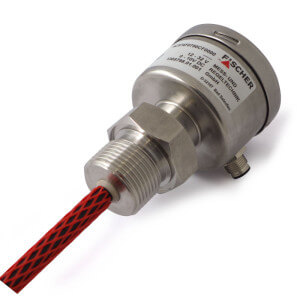
Liquid Level Detection – Well Probe.

ALVI India in association with ALVI Australia takes pride to offer Fischer – NB10 Well probe for liquid level detection.

Application

Measuring probes for hydrostatic measurement of fluid fill-levels. Some examples of typical applications are water or fluid fill-level measurements in
• Wells
• Drill holes
• Wastewater systems and
• Containers
Most Important Features
• High measuring accuracy
• Low hystersis
• Corrosion-resistant materials
• Integrated measurement converter
• Measured values stable over time

Design and Principle of Operation
This measuring probe is designed around a highly sensitive pressure sensor with a silicon membrane-measuring element.
A DMS resistance bridge is attached to the rear of this membrane using a thin-film method. The well probe is equipped with an indirect hydraulic pressure sensor in order to guarantee the system-inherent dead space latitude. The pressure sensor is isolated by an elastic membrane from the medium to be measured. The volume between the membrane and the pressure sensor is filled completely with a transfer fluid. When pressure is applied this silicon membrane deforms in the elastic region, altering the resistance of the resistance bridge in a response linear to the measuring pressure. These changes in resistance are converted by electronics built into the device into standardized electrical signals.

Electrical Connection
State connecting cable (length) in order text
Operating Voltage
24 V DC
Installation Instructions
The connecting cable can be used up to a depth of 100 m without requiring pull relief.
Smallest cable bend radius: 120 mm; Accessory: Cable holder Model: MZ81

Continue reading “Liquid Level Detection – Well Probe.”

Capacitive Level Sensor for Conductive Liquids

Product Description

Fischer – NC57 Capacitive Level Sensor

Fischer NC57 Capacitive level sensor for conductive liquids (water, acid etc). Custom made for lengths starting at 400mm (40cm) all the way upto 2000mm (200cm) with various analogue outputs. The EU04 infra-red remote (sold separately) is required for commissioning and setting the min & max levels. The NC57 is ideally suited only for metal tanks, however can be used on non-metal tanks by adding an extra “earth rod”

For more details please contact us on: info@alviautomation.com.

For  Technical datasheet click here: Datasheet

Application of MSR H2 Sensor Transmitter in Battery Room

As lead acid batteries are charged, minute quantities of hydrogen (H2) gas are produced. Normally, the amount of  hydrogen generated during charging is not of a sufficient quantity to cause concern. There are instances however, where for various reasons, hydrogen may accumulate to create potentially hazardous gas conditions.

Battery back-up installations for equipment such as telephone switching systems and computers are normally situated in small rooms with little ventilation. This confined space provides an excellent opportunity for hydrogen to accumulate and reach combustible levels.

In most instances, the sensor/transmitter is mounted on the ceiling, while the monitoring panel is mounted outside the room. Any build-up will cause an alarm and/or initiate ventilation.

MC2 Pic

A second common application is in warehouses where battery powered forklifts are used. Charging stations are commonly lined up in areas where a large number of vehicles can be charged simultaneously. Because of the size and number of batteries, dangerous levels of H2 can accumulate.

Key Factors:

  • Relative density of hydrogen is 0.069. Therefore sensors should be mounted at or near the ceiling, away from any source of fresh air, which may dilute the sample.
  • Remote sensors are normally used, with panels being mounted away from hydrogen source.
  • The customer chose MSR catalytic diffusion system to monitor the battery rooms for hydrogen in the 0-100% LEL range.
  • The MSR H2 sensors like MA-series, MC2-series and Poly-Xeta 2 series are used for monitoring battery recharging areas.
  • The Sensors are employed for detecting hydrogen concentration in the air
  • This explosive hydrogen gas is produced during battery charging.
  • MSR sensors protect person and equipment against explosions caused by ignition of the hydrogen gas.
  • MSR MA-series and latest MC2-series are suggested for battery room application like data center inside a commercial building .
  • MSR Poly-Xeta 2 series are usually suggested for battery room applicator in Industries /Plants . Some industries include: Telecommunications/Computing Utilities, Financial Services, Publishing Transportation Services , Automotive.

Click here to access Physical appearance

For more details  contact us

download (1)

Vacuum Pressure Gauge/Switch

ALVI AUTOMATION (INDIA) PVT LTD a div of ALVI TECHNOLOGIES PTY LTD also trading as Gas Alarm Systems is honor to present FICHER Vacuum Pressure Gauge/Switch

Over pressure and vacuum proof contact pressure gauge for control and supervising purposes in vacuum processes.

Application Field :

  • Winning of drinking water, water economy.
  • Process Technology
  • Terotechnology
  • Pneumatic transporter

Fischer 1

Fischer 2

For more information click  here

Joventa Actuator – Motorized operation of air dampers in air conditioning systems.

ALVI –  India  in association with ALVI- Australia takes pride to introduce Joventa actuator for Motorized operation of air dampers in air conditioning systems .

Application
The JOVENTA SPRING RETURN electric damper actuator series has been specially developed for the motorized operation of air dampers in air conditioning systems. When the control signal is applied the actuator drives the damper to the operational position, while evenly tensioning the integrated spring. After a power failure the stored energy in the spring immediately brings the damper to the safety position. Manual operation is automatically cancelled when the actuator is in electrical operation. The compact design and universal adapter fitted with limitation of rotation angle make this actuator highly versatile.

Features
■■ ON/OFF control
■■ Up to 5 actuators in parallel operation possible
■■ Electrical connection with halogen-free cable
■■ Simple direct mounting with universal adapter on 8 mm to 16 mm shaft or 6 mm to 12 mm square shaft.
An optional M9208-600 Jackshaft Coupler Kit is available for 12 to 19 mm round shafts, or 10 mm to 14 mm square shafts.
■■ Limitation of rotation angle
■■ Manual positioning with crank handle
■■ 2 auxiliary switches, 1 adjustable
(See page 3 for settings)
■■ Automatic shut-off at end position

Ordering Codes
Codes Descriptions
DAF1.08N 8 Nm, 24 V AC/DC, ON/OFF
DAF1.08SN 8 Nm, 24 V AC/DC, ON/OFF, 2 auxiliary switches
DAF 2.08N 8 Nm, 230 V AC, ON/OFF
DAF 2.08SN 8 Nm, 230 V AC, ON/OFF 2 auxiliary switches

For more details and quote please contact us on: info@alviautomation.com, 01412293968